When South African teachers think about teaching in the UAE, they picture Dubai or Abu Dhabi — the towers, the traffic, the relentless scale of it. Fujairah is something else entirely.
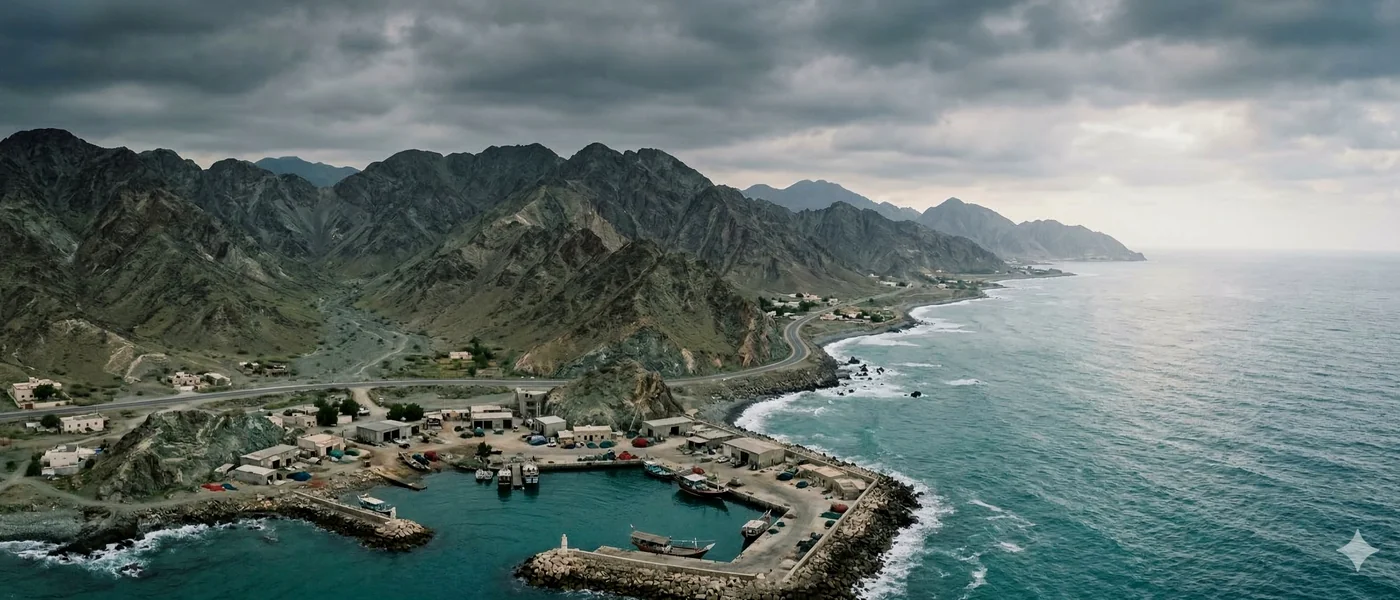
Fujairah sits on the eastern coast of the UAE, facing the Indian Ocean rather than the Arabian Gulf. Behind it are the Hajar Mountains — rugged, dramatic, and nothing like the flat desert most people associate with the Emirates. It is, by UAE standards, quiet. Which, for many South African teachers, is exactly the point.
A different pace.
Fujairah is the only emirate that doesn't border Saudi Arabia and doesn't front the Arabian Gulf. That geographic fact shapes everything about it. The coastline is cleaner, the water warmer, and the atmosphere more relaxed. There are beaches you can actually use, wadis you can hike through on weekends, and a historic fort in the old town that reminds you this place existed long before the oil economy.
The city itself is modest by UAE standards — no Burj Khalifas, no seven-star hotels, no frantic luxury. What it has is good infrastructure, genuine community, and a pace that allows you to actually live rather than just survive your contract. Teachers who've been placed there consistently describe it as the UAE they didn't know they wanted.
Fujairah is where you go when you want the UAE lifestyle without losing yourself in it.
Dubai is two hours away.
This is worth stating clearly because it answers the concern most teachers have about choosing a smaller emirate. Dubai is approximately two hours by road from Fujairah. On a Friday morning — the equivalent of a Saturday in the UAE — you can be in a mall, at a beach club, or watching a sports event in Dubai and be home by evening. The quieter base doesn't mean a smaller life. It means a more sustainable one.
The road between Fujairah and Dubai cuts through the mountains, which is itself worth experiencing. South African teachers who've made the drive describe it as one of the unexpectedly beautiful things about living there.
The school environment.
International schools in Fujairah serve a genuinely diverse student body — the emirate has a significant expat working community from across Asia, the Middle East, and Africa. Teaching an English class of students from fifteen different countries is a different experience from what most South African classrooms offer, and the majority of our teachers have found it one of the most professionally enriching aspects of their time there.
The Cambridge curriculum is familiar territory once you've settled in. The expectations are high but fair. And the smaller school community in Fujairah — compared to the enormous international schools in Dubai — tends to mean you actually know your colleagues and are known by your students in a way that matters.
The Fujairah coast has some of the best diving and snorkelling in the UAE — bring your certification or get one before you go. Oman is a short drive away and a favourite weekend destination for teachers based in Fujairah. The climate is slightly more humid than the Gulf side, which is relevant in July and August. Groceries and daily life are cheaper than Dubai. Your South African driving licence is valid for a short period after arrival — get your UAE licence sorted early.
Who it suits.
Fujairah is not for every teacher, and we say this plainly because getting the fit right is the only thing we care about. If you need constant urban stimulation, a large expat social scene, and the buzz of a big city, Fujairah will frustrate you. If you want a genuine lifestyle — mornings at the beach, weekends in the mountains, evenings that don't require spending money in a mall — Fujairah is quietly excellent.
South African teachers with a coastal sensibility, who are comfortable with independence and are interested in a placement that offers real quality of life rather than just a competitive package, tend to thrive there. If that sounds like you, let's talk.